A cell that shouldn't exist in a catalogue — and until recently, didn't.
Infinity Cell is built on the human trophoblast stem cell: a pre-implantation lineage first isolated and characterised at Kaohsiung Medical University Hospital. It occupies a position no other clinically available source can — biologically the youngest, ethically the least contested, and legally the most protected.
Where it actually comes from
The cells are derived from the chorionic villi of non-viable tubal ectopic pregnancies — tissue from a pregnancy that has implanted outside the uterus and, by definition, can never result in a birth. This tissue is otherwise discarded as surgical waste.
That origin resolves the objection that has constrained the field for two decades. No embryo is created. No embryo is destroyed. No viable pregnancy is affected or ended to obtain the material. The tissue is recovered from a procedure that was already medically necessary.
It also produces an unusual legal position: the resulting line carries a genetic identity that is not attributable to any living person, which materially simplifies the consent, privacy and chain-of-custody questions that follow donor-derived material through its entire commercial life.
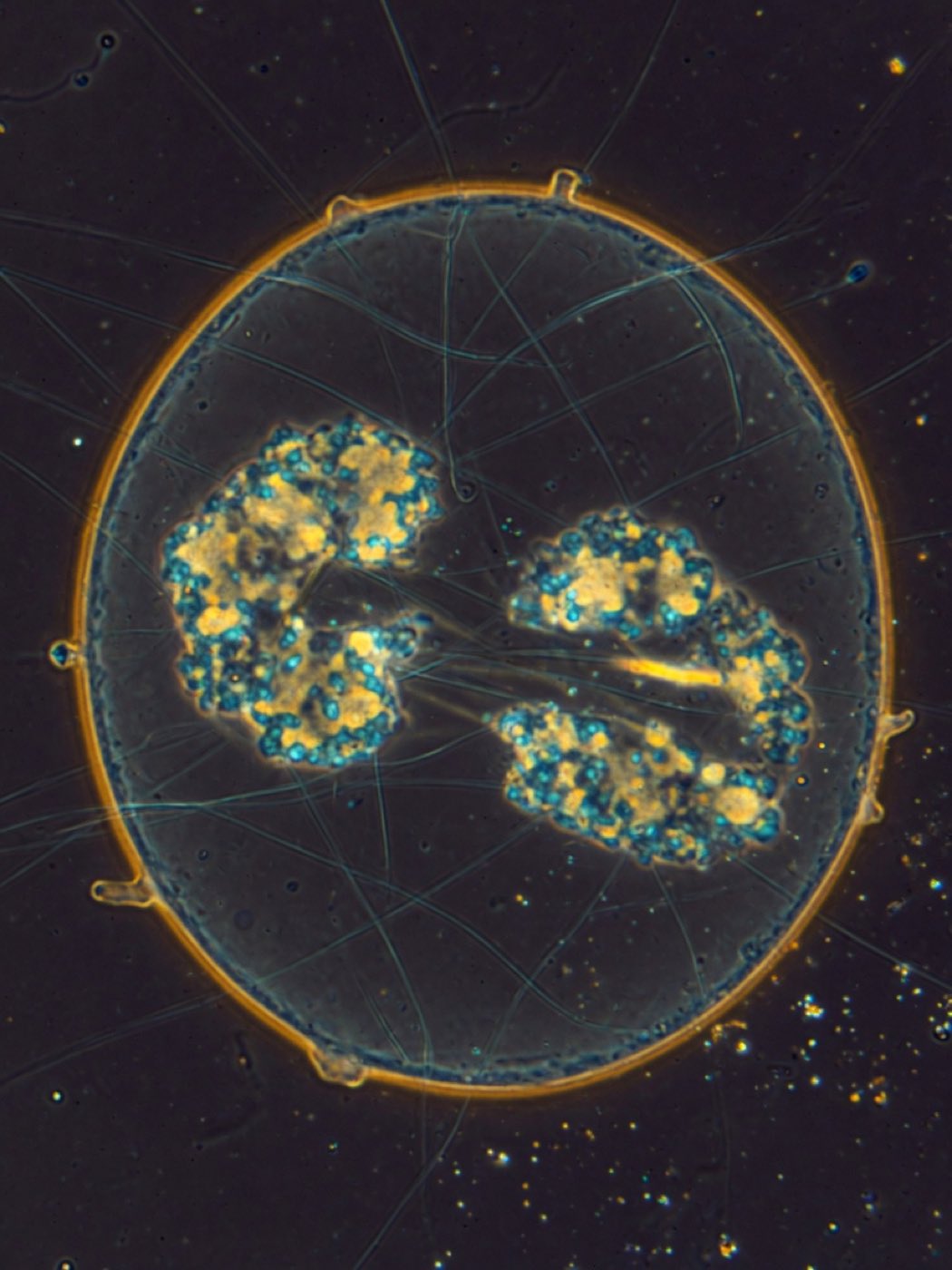 Trophoblast lineage · division event
Day 0–14
Zero
The biological profile, in detail
Immune-privileged
Trophoblast cells perform one of the more remarkable jobs in human biology: they form the interface between a genetically foreign fetus and the maternal immune system, and they do it without triggering rejection. That is not incidental — immune tolerance is the lineage's native function.
hTSCs have been characterised as immune-privileged with immunomodulatory properties. Practically, this is the property that makes an allogeneic, off-the-shelf model coherent: a single characterised source can be manufactured at scale rather than harvested per-patient.
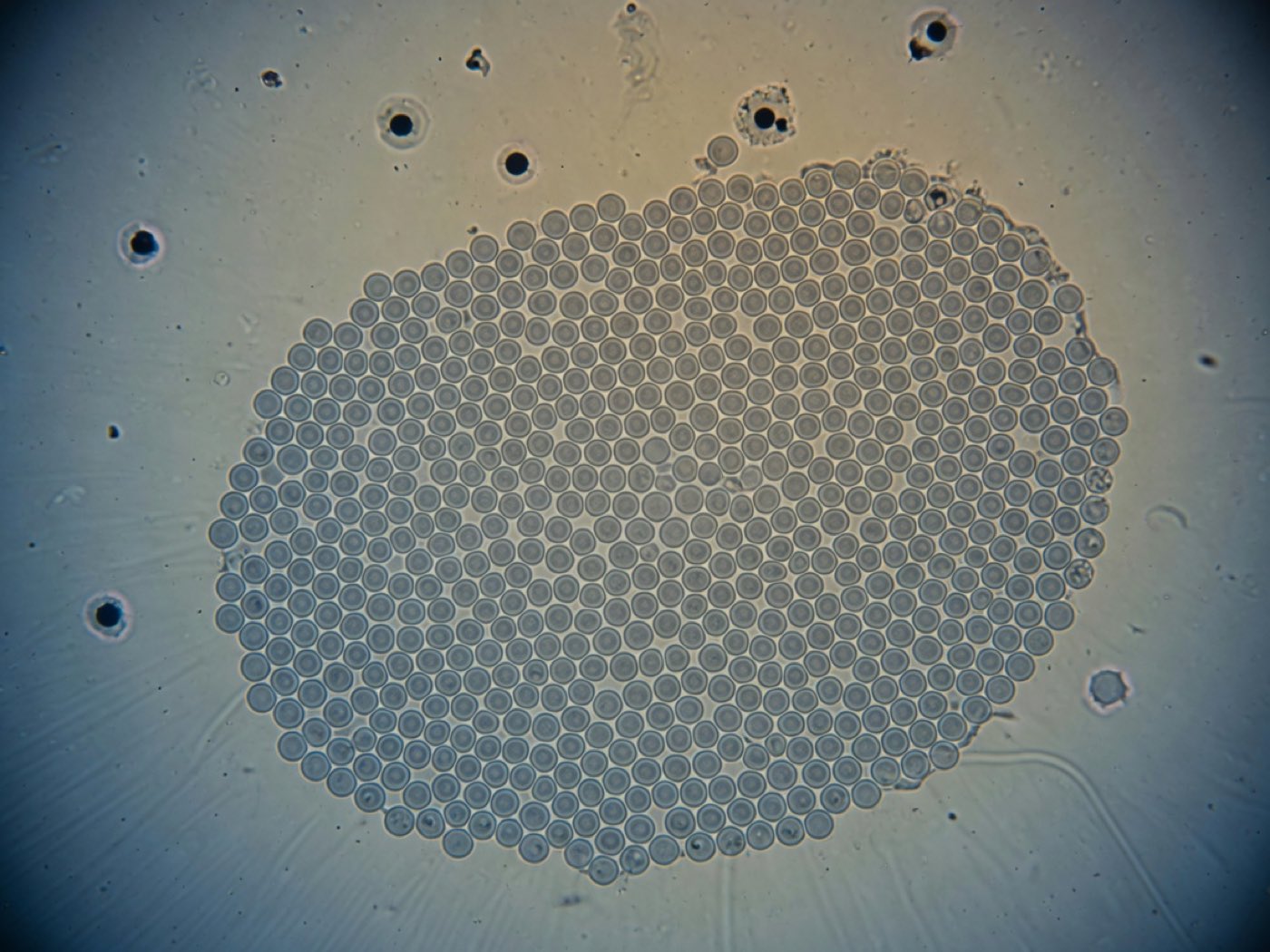
Chromosomal stability
The first question any serious clinician, regulator or investor asks about a stem cell product is whether it forms teratomas. It is the question that has ended programmes, so it is worth being exact about what has and has not been shown here.
What has been characterised is karyotype stability: the cells retain a normal karyotype through expansion rather than accumulating the abnormalities that typically emerge in extended culture. That is a meaningful and non-trivial property, and it is the claim we make.
What we do not claim is that the cells are non-tumorigenic. That is a distinct assertion requiring teratoma-formation data, and we will not present karyotype stability as though it were that evidence. Any provider who needs a tumorigenicity position for their own review should ask us directly, and we will tell them exactly what exists.
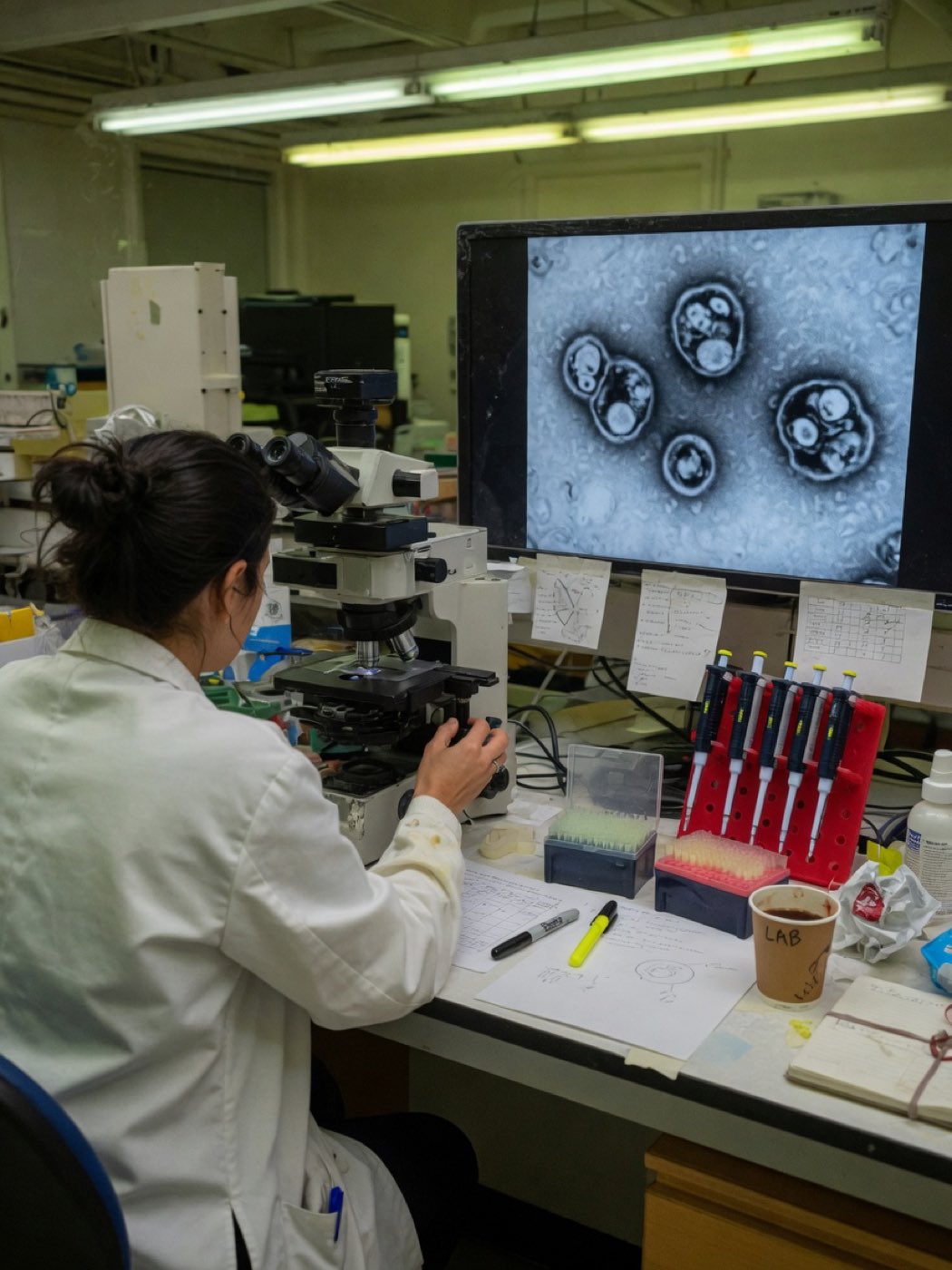
Expansion without exhaustion
Adult-derived cells have a finite runway. Replicative capacity declines with donor age and with each passage, which is why autologous programmes are constrained by the patient in front of you.
hTSCs have been described as easy to scale and manufacture, with favourable doubling times. The consequence for a clinic is supply that behaves like a manufactured product — consistent, characterised and available — rather than like a harvest.
Secretome & extracellular vesicles
Much of what regenerative cells do, they do by signalling — releasing growth factors, cytokines and extracellular vesicles that instruct surrounding tissue. That output is collectively the secretome.
Published work has examined trophoblast-derived extracellular vesicles and their effects on other cell populations, including studies of trophoblast-derived vesicles acting on dermal fibroblasts and on mesenchymal stem cells. This body of work is the scientific basis for the topical programme now in development.
See the published papers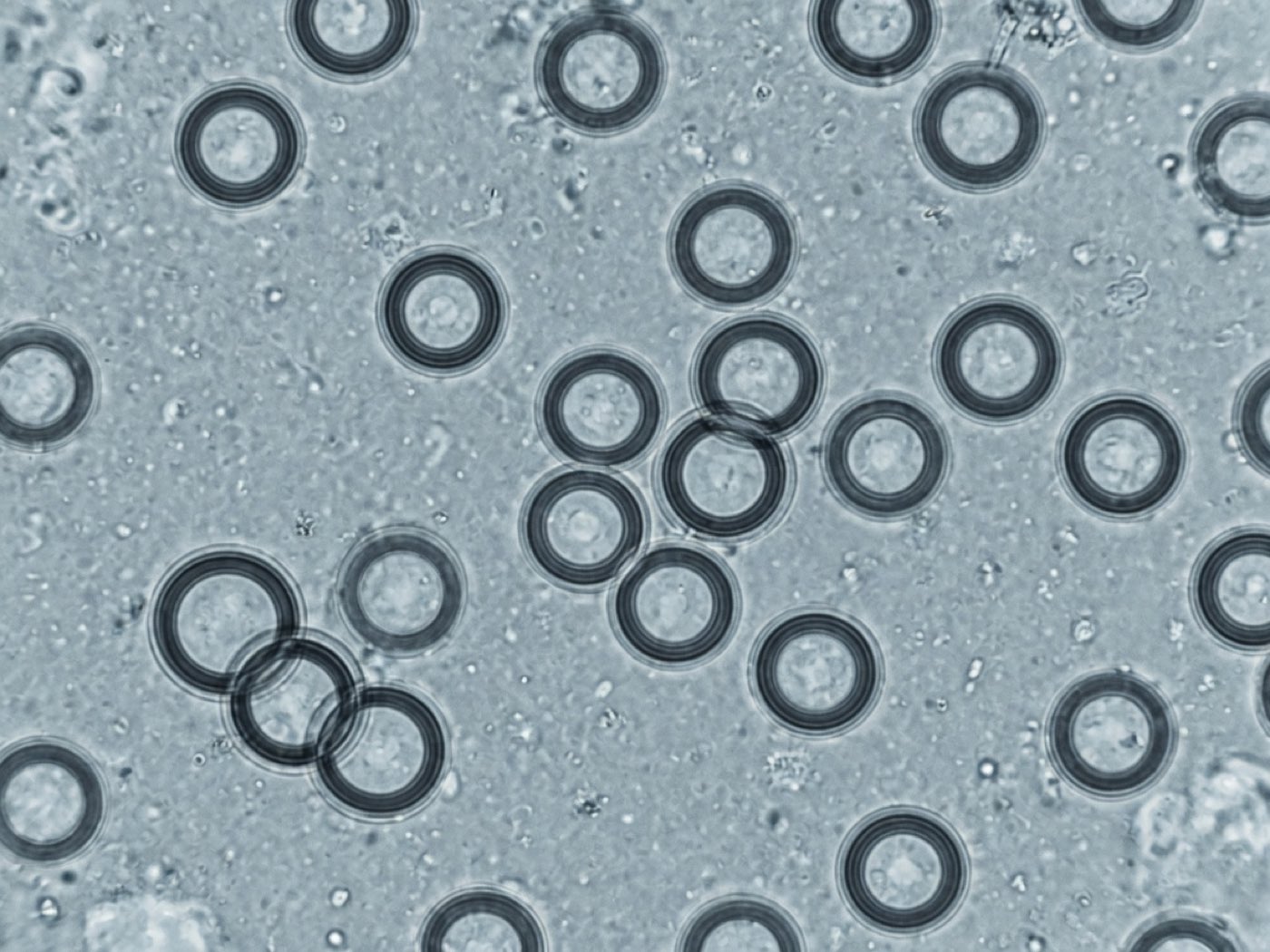
Pathogen screening & identity
Source material is screened for pathogens and characterised for identity before it enters manufacturing. Because the platform works from a characterised master source rather than a rotating pool of donors, screening is performed once at depth rather than repeatedly at the margins.
Every unit supplied to a provider clinic arrives with its certificate of analysis and full lot traceability.
Built to survive a regulatory review
The difference between a research finding and a supplyable product is manufacturing. This is where most regenerative offerings quietly fall apart, and it is where this platform has had the most external scrutiny.
Characterised source
A single, screened, fully characterised master source — not a rotating donor pool.
GMP manufacture
Produced under Good Manufacturing Practice conditions with defined CMC controls.
Independent validation
GMP and CMC posture reviewed by external specialists rather than asserted internally.
Lot release
Identity, viability and sterility data released with every lot, traceable end to end.
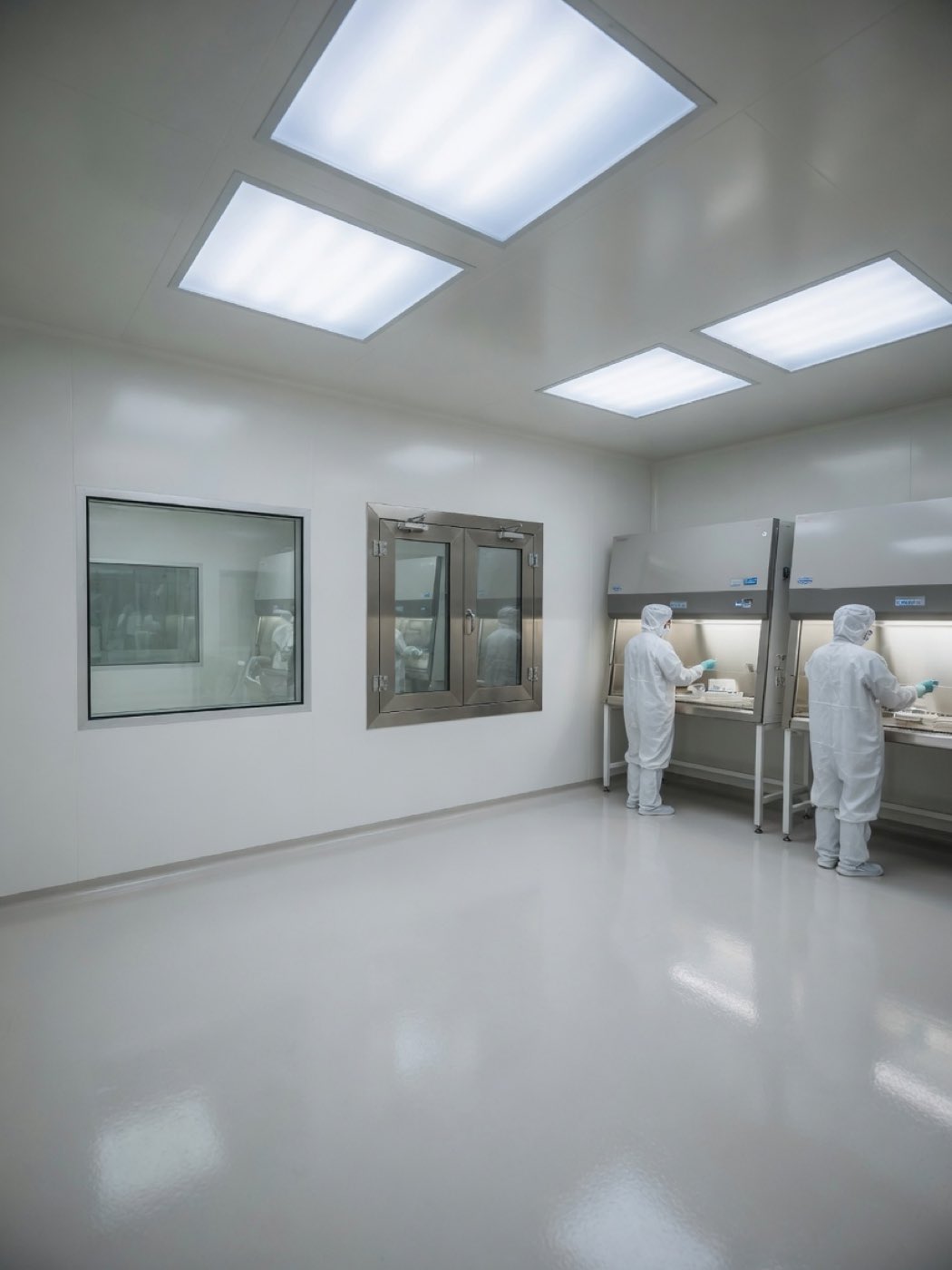
GMP manufacturing environment
Proven manufacturable — by an independent third party
The strongest available evidence that this starting material is genuinely manufacturing-grade is not a claim made about it. It is that Pluristyx, a specialist cell-therapy company, publicly announced the creation of clinical-grade induced pluripotent stem cell lines reprogrammed from this trophoblast source.
Poor starting material does not reprogram into clinical-grade iPSC lines. A separate partnership with Stemmatters advances that same iPSC development track in Europe.
The questions clinicians actually ask
Bring it into your practice.
Provider access is reviewed and limited by territory.